Understanding the subcultures of hip-pop gives deeper insight into how this genre influences more than just music. Since hip-pop is a fusion of hip hop culture and pop culture, its subcultures reflect that blend: style, identity, trends, and social communities that have formed around it.
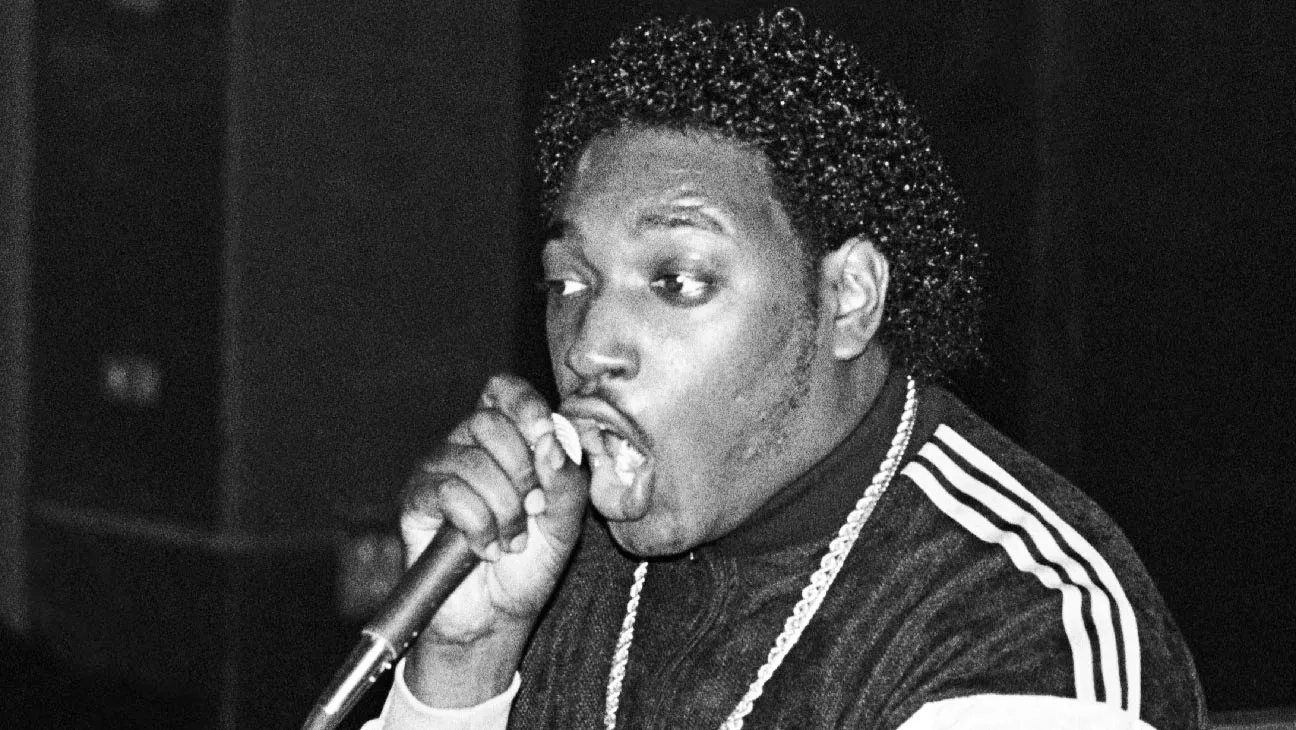
Boom Bap: The term “boom bap” itself is often attributed to T La Rock, who used it on his 1984 track “It’s Yours” to describe the kick drum and snare drum rhythm. This style emerged in the late 80s and early 90s, popularized by East Coast artists like Nas, Wu-Tang Clan, and A Tribe Called Quest.
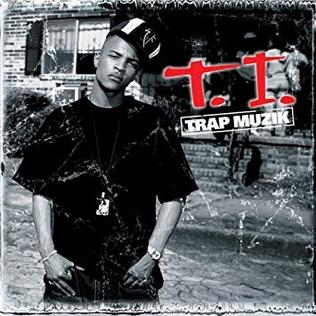
Trap: Trap music originated in the Southern United States, particularly in Atlanta, Georgia, during the 1990s. The term “trap” itself emerged referring to drug distribution locations. While early trap artists like 8Ball & MJG, Three 6 Mafia, and Master P laid the groundwork, the genre truly took off in the 2000s with artists like T.I., Young Jeezy, and Gucci Mane. Trap is defined by heavy bass, hi-hats, and themes of street life.
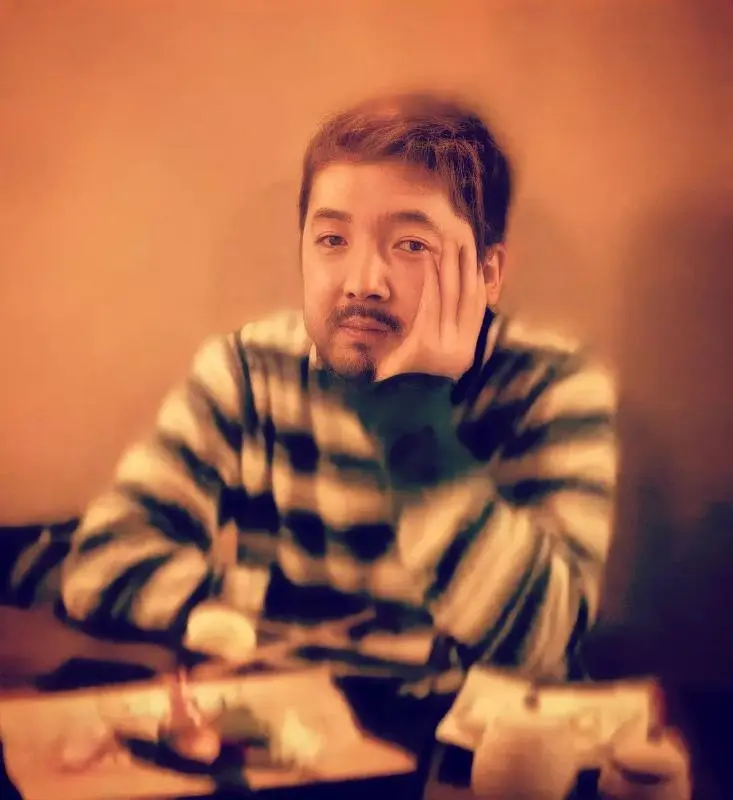
Lo-Fi Hip-Hop: Lo-fi music’s origins trace back to the DIY and underground music scenes of the 1980s and 1990s, where musicians embraced the imperfections of home recording equipment. This approach, characterized by unpolished sounds and a deliberate embrace of low fidelity, stemmed from the DIY ethos of indie rock, punk. Artists like Nujabes and producers in the online Lo-Fi scene have made it popular today. What’s really interesting about Nujabes in particular was how he was able to get into the hip hop scene despite living his whole life in Tokyo. truly displaying how quickly hip hop had reached the worldwide scene.
Jazz Rap: a fusion of jazz and hip-hop. It’s considered a subgenre of alternative hip-hop. Early jazz rap recordings surfaced on the East Coast, with groups like Stetsasonic and Gang Starr incorporating jazz samples and live instrumentation. The Roots and J Dilla further pushed the style in the 21st century making it one of the more popular hip hop subgenres.
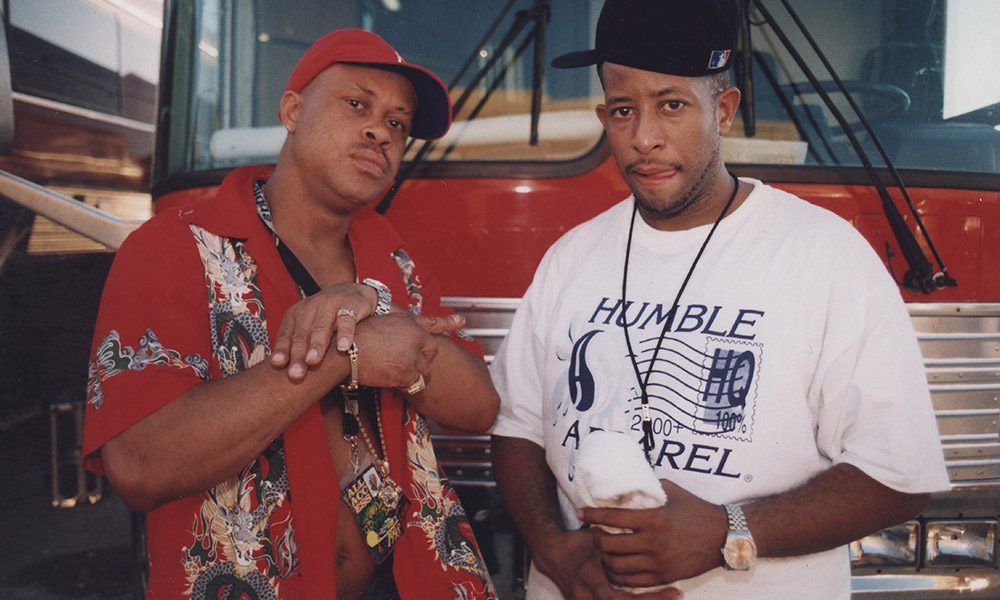
Conscious Hip-Hop: The first widely recognized conscious hip-hop track is generally considered to be Grandmaster Flash and the Furious Five’s “The Message” from 1982. This song provided a stark depiction of the inner-city struggles and hardships faced by marginalized communities, deviating from the purely celebratory tone of early hip-hop and it’s connection to the party scene at the time. Artists today focus on social issues, activism, and storytelling in the modern day breathing the genre more life in modern times. Major conscious artists in recent times are: Public Enemy, Kendrick Lamar, and J. Cole.
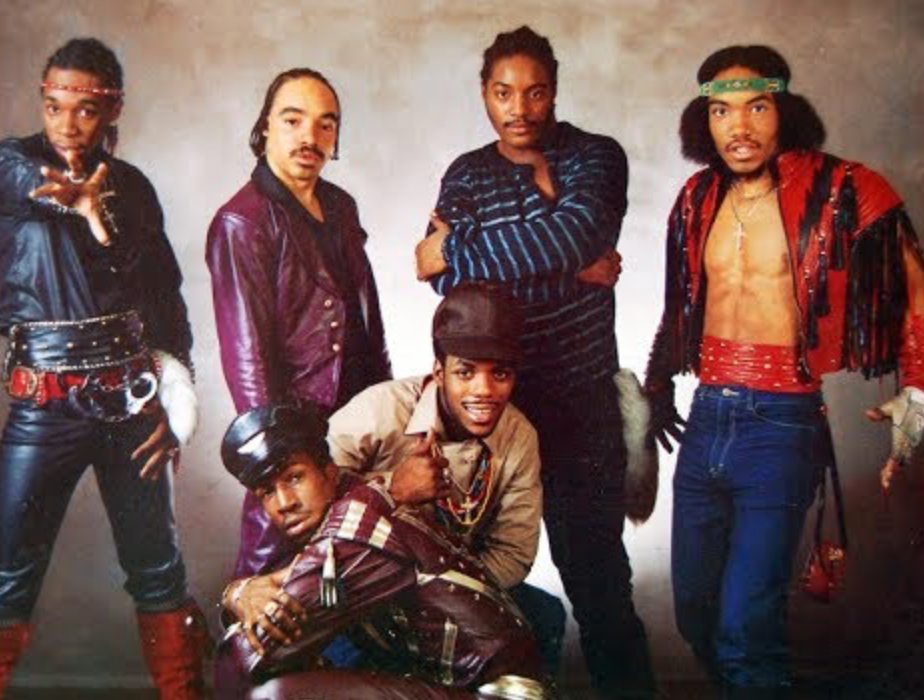
Alternative Hip-Hop: Alternative hip-hop originated in the United States during the late 1980s and early 1990s, primarily on both the East and West Coasts. s a subgenre that pushes the boundaries of traditional hip-hop, often incorporating elements from other genres like jazz, soul, rock, and even world music. It’s characterized by a more creative and diverse approach to production and lyrics. Artists like De La Soul, A Tribe Called Quest, and The Pharcyde were pioneers of this genre, which sought to move beyond the mainstream sounds of the time.
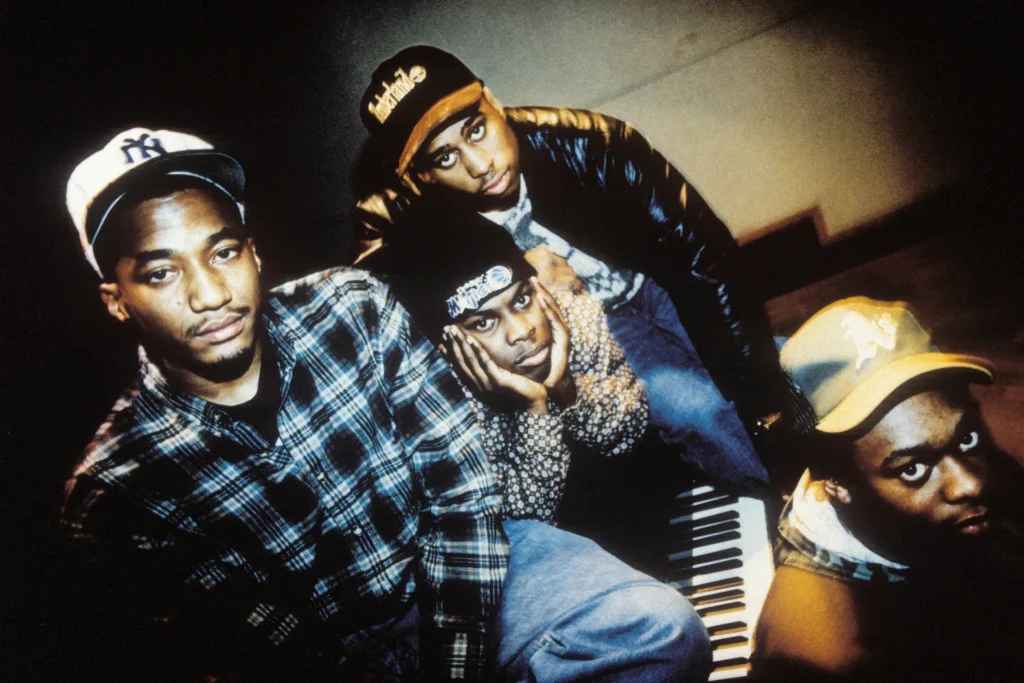
Hip-pop’s subcultures go far beyond the music they shape how people dress, act online, express identity, and connect globally.

This entry is licensed under a Creative Commons Attribution-NonCommercial-ShareAlike 4.0 International license.

