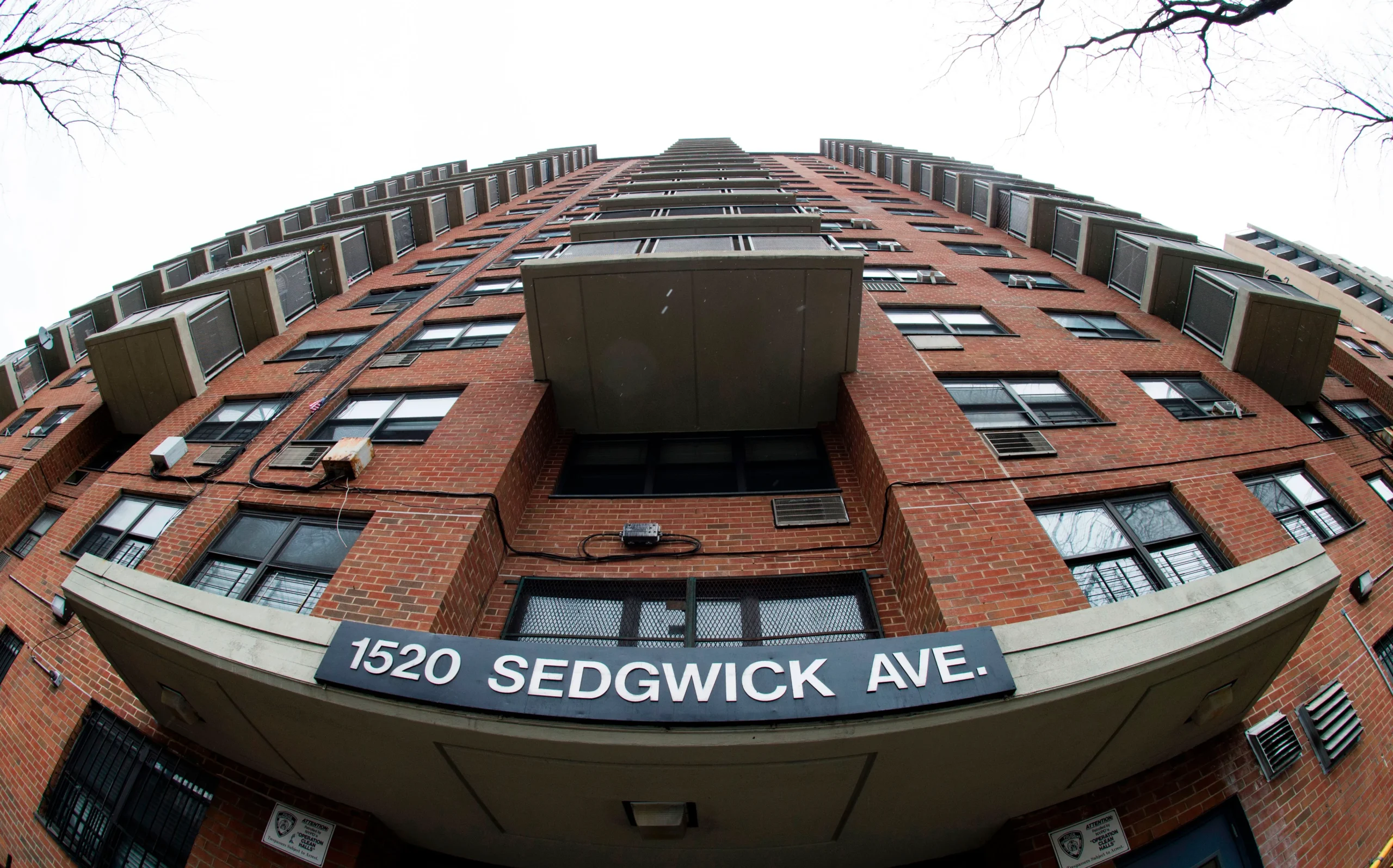
🔥 1. 1520 Sedgwick Avenue (Bronx)
- Where it all started — DJ Kool Herc threw the party here in 1973 that’s considered the birth of hip-hop.
- It’s not a club or stage — it’s an apartment building, but it’s legendary.
- This address is sacred in hip-hop history.
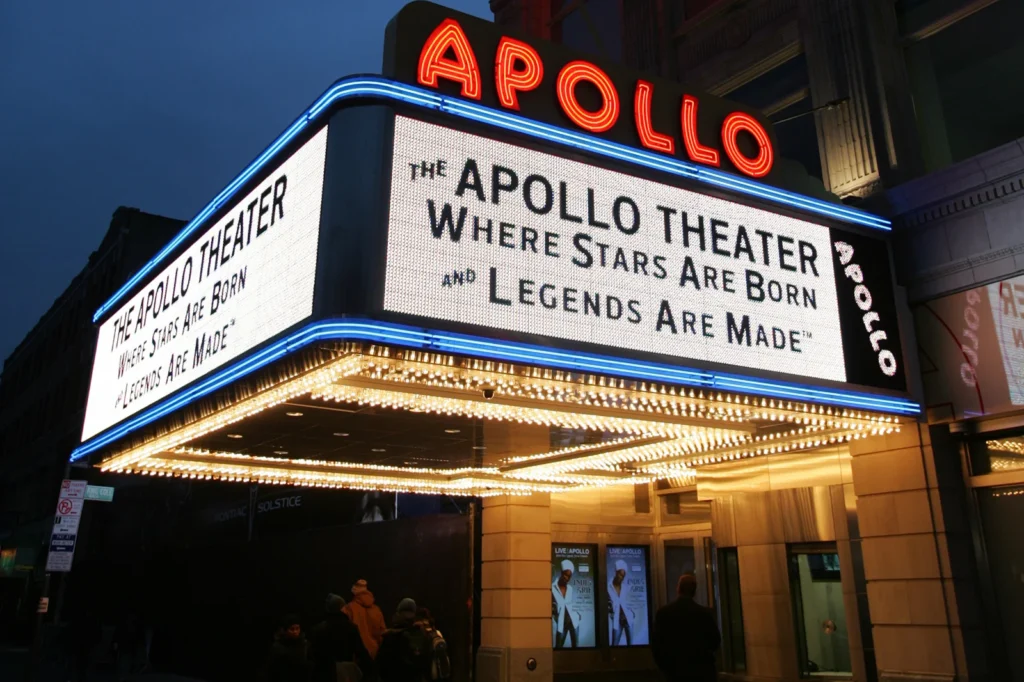
🔥 2. The Apollo Theater (Harlem)
- Legendary venue for Black music way before hip-hop, but crucial for early exposure.
- Hosted early performances by Lauryn Hill, Biggie, and Rakim.
- Known for Amateur Night, where many MCs got their start.
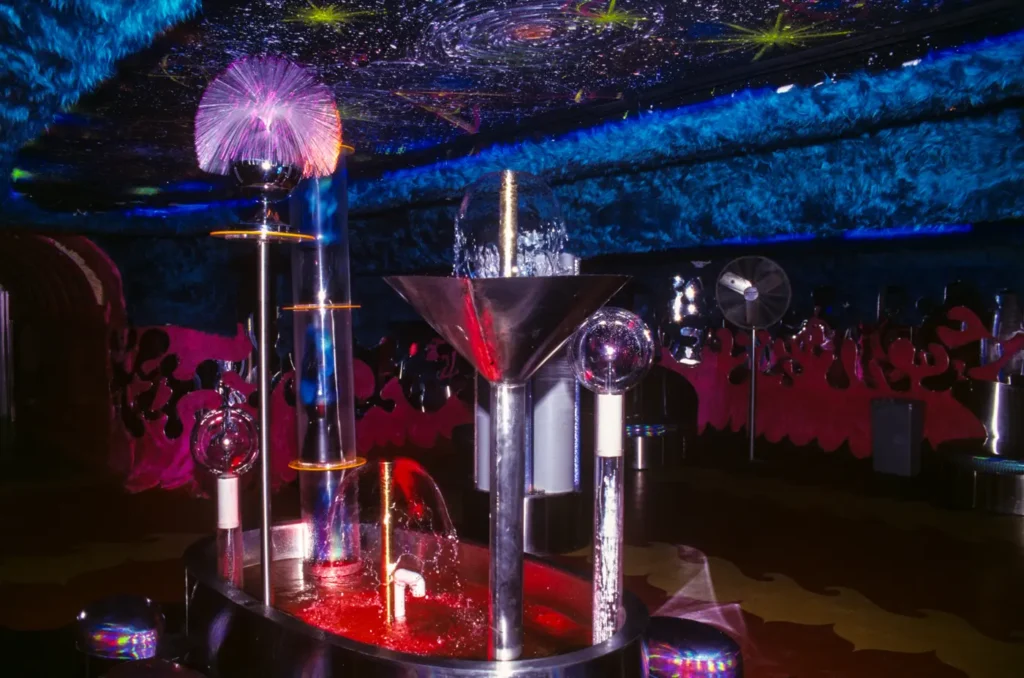
🔥 3. The Tunnel (Chelsea, Manhattan)
- One of NYC’s most iconic hip-hop nightclubs in the ’90s and early 2000s.
- Hosted performances by Jay-Z, DMX, Big Pun, 50 Cent — basically every big name.
- Rough vibe, but legendary for breaking records and battles.
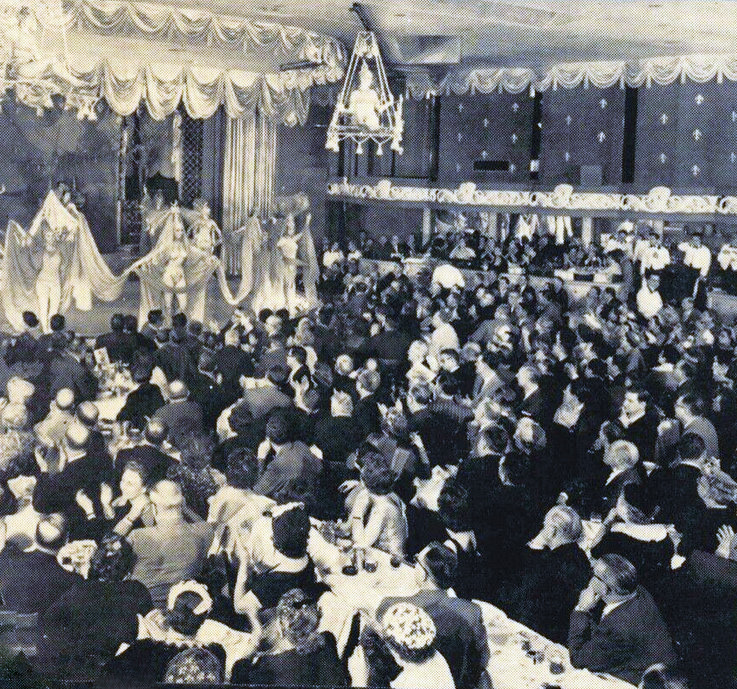
🔥 4. Latin Quarter (Midtown Manhattan)
- Huge spot in the late ’80s — KRS-One, Public Enemy, Queen Latifah, and Eric B. & Rakim all performed here.
- Known for being political and conscious — the Boogie Down Productions scene.
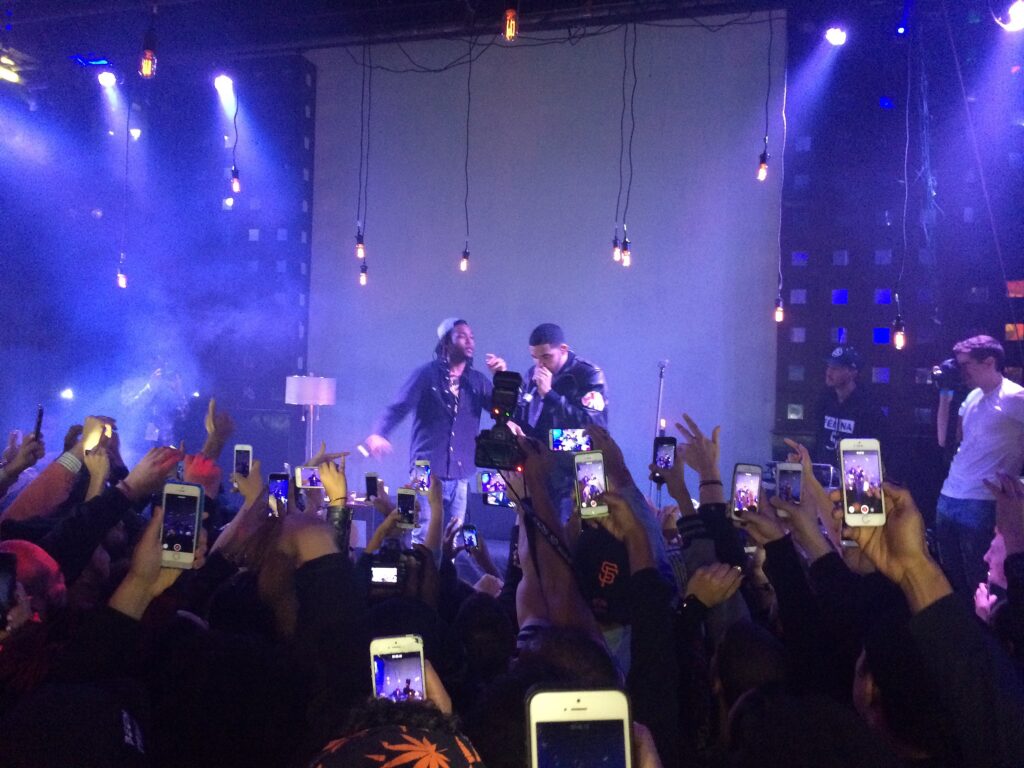
🔥 5. SOB’s – Sounds of Brazil (Lower Manhattan)
- Still active today.
- Known for hosting early shows by artists like Kanye West, Drake, Kendrick Lamar before they blew up.
- Small venue with big impact.
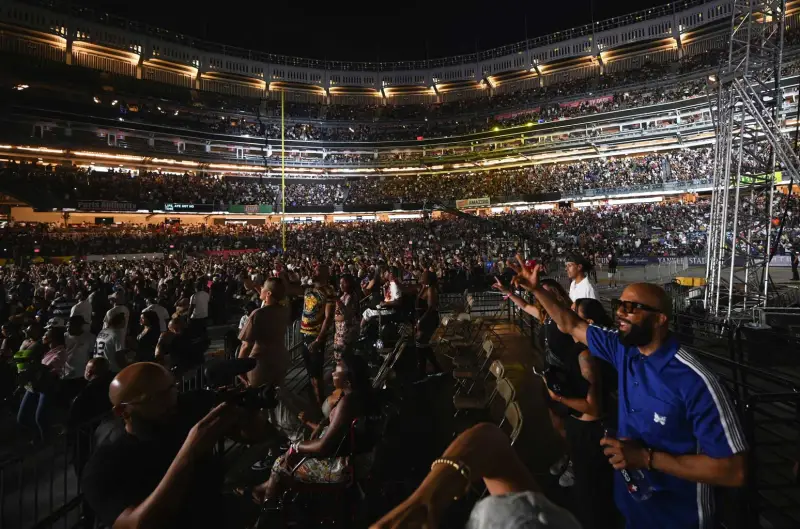
🔥 6. Yankee Stadium (Bronx) – Hip Hop 50 Concert (2023)
- Hosted the Hip Hop 50 Live concert with Run-DMC, Nas, Lauryn Hill, Lil Wayne, Snoop, Ice Cube, and more.
- Shows how hip-hop went from the block to the world stage.
New York’s hip-hop venues are more than just performance spaces — they’re historical landmarks that trace the roots and evolution of the culture itself. Places like 1520 Sedgwick Avenue in the Bronx mark the exact location where DJ Kool Herc first introduced the breakbeat in 1973, literally birthing hip-hop. Clubs like The Tunnel and Latin Quarter Weren’t just party spots; they were proving grounds where legends like Jay-Z, DMX, and Public Enemy tested their sound in front of the streets. These venues gave voice to the unheard and space to the unseen, shaping the sound, style, and swagger of hip-hop from the underground up. Even iconic spaces like the Apollo Theater and SOB’s helped launch careers by offering platforms to up-and-coming artists long before the mainstream embraced them. These spots represent more than entertainment — they are sites of resistance, community, and creative survival. Just as the music itself emerged from struggle, these venues stand as physical symbols of where culture was created, tested, and elevated — proof that hip-hop is not just music, but movement.

This entry is licensed under a Creative Commons Attribution-NonCommercial-ShareAlike 4.0 International license.

