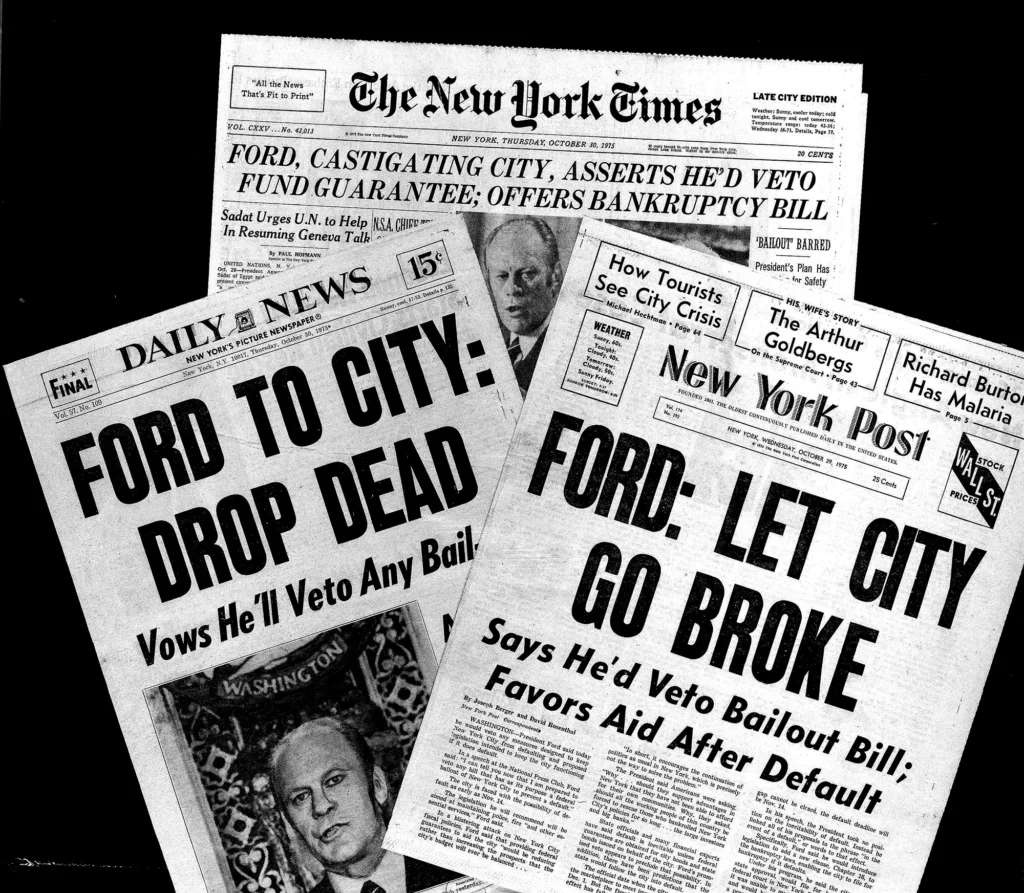
Hip hop in itself originated in the Bronx in the 70s. This was the period of the fiscal crisis, as the fall of the manufacturing industry drove a lot of the white middle class into the suburbs to escape the social and economic challenges. As a result, a lot of minority communities were left in shambles as conditions worsened, primarily in neighborhoods populated by African Americans, Puerto Ricans, and other Caribbean immigrants. This urban despair also saw an increase in violence, crime, and poverty. As a result, the youth turned to the streets for self-expression and recreation. Many would go to abandoned buildings and host block parties, which would set the groundwork for early hip-hop culture.
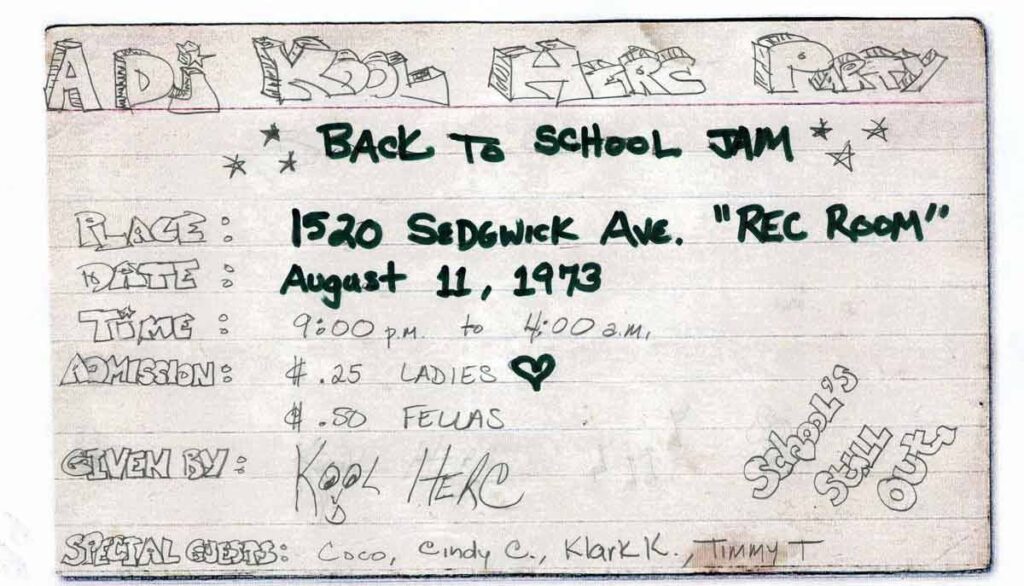
The birth of hip-hop can be traced to a block party in the South Bronx, New York City, on August 11, 1973. This party, hosted by DJ Kool Herc at his sister’s back-to-school bash at 1520 Sedgwick Avenue, is often credited as the birthplace of the genre and the cultural movement it spawned. After the birth of hip hop, the genre was mainly dominated by DJS as they were usually the hosts and heart and soul of parties and venues throughout the 70s and early 80s. With other popular and iconic DJs like Afrika Bambaataa and Grandmaster Flash dominating the scene by innovating the instrument DJs use, named the Turntable. Grandmaster Flash, in particular, found ways to seamlessly loop beats. He also pioneered scratching and mixing on vinyl, transforming the turntable into an actual music instrument.
However, as the rise of MCs(Masters of ceremonies) began to emerge hip hop artists began crossing over into mainstream pop culture, creating a sound that maintained the core of rap but was designed for radio, clubs, and mass audiences. While hip-hop is not a formal music category, it has become a defining style of modern popular music, influencing everything from fashion and internet trends to global music charts.
The early roots of modern-day hip-hop can be traced back to the late 1980s and early 1990s, when rap began gaining mainstream attention. In the mid to late 1990s, hip-hop took a major step forward. Producers and labels began experimenting with smoother beats and melodic hooks that blended seamlessly with rap verses. The 90s also saw a period of beef between the east coast and west coast which further popularized the genre. Tupac Shakur and the Notorious B.I.G spearheaded this beef during this time period.
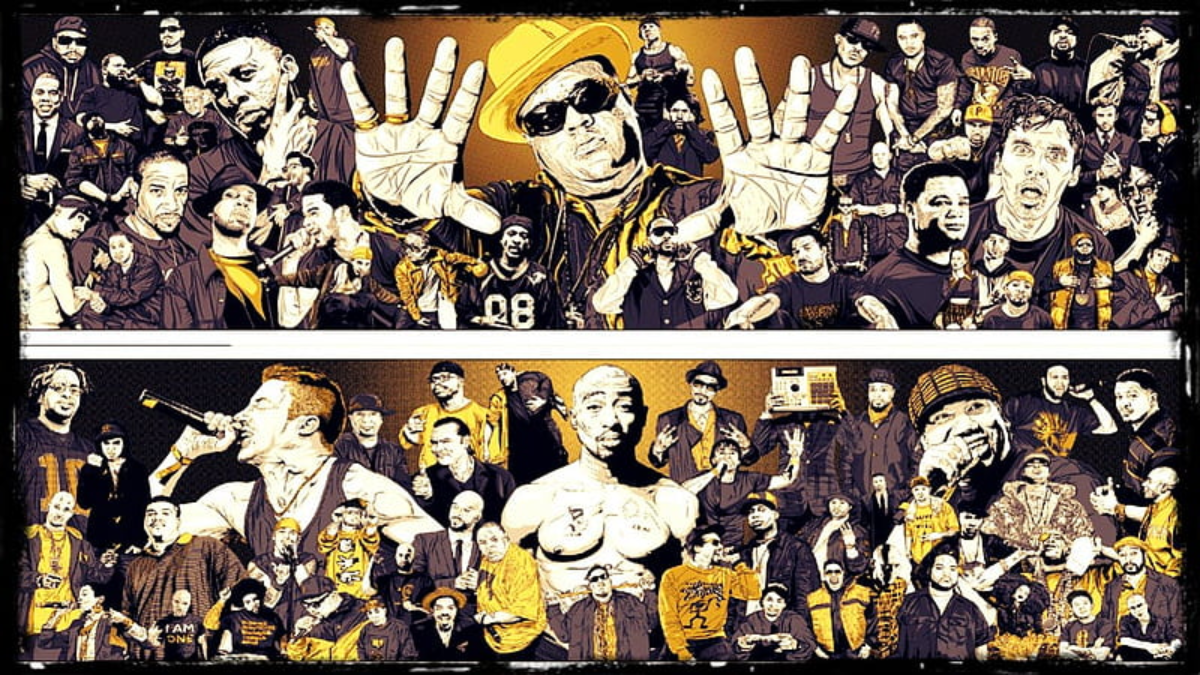
The 2000s marked the golden age of hip-hop, when the fusion of rap and pop truly took over the charts. Hip-hop has evolved from a crossover experiment into a cultural powerhouse. It has transformed hip hop into a globally accessible form of pop music, reshaped how artists create and promote their work, and redefined what mainstream music sounds like. As it continues to evolve, hip-hop reflects the voices, emotions, and trends of a digital, diverse, and ever-changing world.

This entry is licensed under a Creative Commons Attribution-NonCommercial-ShareAlike 4.0 International license.

